
Annyeonghaseyo, food enthusiasts from around the world! 👋 Today, we embark on a culinary journey to explore one of Korea’s most iconic and beloved dishes: Bibimbap (비빔밥)!
Imagine a vibrant bowl filled with a rainbow of fresh vegetables, savory meat, a perfectly fried egg, and a dollop of fiery red gochujang (chili pepper paste). That’s bibimbap, a symphony of flavors and textures that dance on your palate with every bite.
As a Korean, bibimbap holds a special place in my heart. It’s a dish that reminds me of home, family gatherings, and the comforting flavors of my childhood. But bibimbap is more than just a nostalgic meal; it’s a nutritional powerhouse and a culinary masterpiece that has captured the hearts of people worldwide.
In this post, we’ll uncover the secrets of bibimbap, from its fascinating history and cultural significance to its health benefits, variations, and tips for creating your own delicious bibimbap at home. So, grab your chopsticks and get ready to experience the magic of bibimbap! 🍚
🍚 Bibimbap: What’s in a Name? (The Origin and History of Bibimbap)

The word “bibimbap” literally translates to “mixed rice,” which perfectly describes this dish’s essence. It’s believed to have originated as a way to use up leftover ingredients at the end of the lunar year.
Various historical records mention bibimbap, including the 19th-century cookbook “Siuijeonseo” (시의전서). It gained popularity during the Joseon Dynasty and has since become a staple in Korean cuisine, loved for its versatility and nutritional value.
🍚 Why Bibimbap is a Nutritional Powerhouse (Science-Backed Benefits)
Bibimbap is not only delicious but also packed with essential nutrients, making it a healthy and satisfying meal.

- Balanced Nutrition: Bibimbap typically includes a variety of vegetables, meat (or tofu for vegetarians), and a fried egg, providing a balanced intake of carbohydrates, protein, fats, vitamins, and minerals.
- Rich in Fiber: The abundance of vegetables in bibimbap provides a good source of dietary fiber, which aids digestion, promotes gut health, and helps regulate blood sugar levels. (Source: The American Journal of Clinical Nutrition)
- Vitamins and Minerals: Bibimbap is a great source of essential vitamins and minerals, including vitamin C, vitamin A, iron, and calcium, which are crucial for immune function, vision, and bone health. (Source: Journal of the Academy of Nutrition and Dietetics)
- Antioxidant Power: The colorful vegetables in bibimbap contain various antioxidants, such as beta-carotene and vitamin C, which help protect cells from damage caused by free radicals. (Source: Critical Reviews in Food Science and Nutrition)
- Low in Calories: Bibimbap can be a relatively low-calorie meal, especially when you choose lean protein sources and control the amount of oil used for cooking. This makes it a suitable option for those watching their weight.
🍚 Bibimbap, But Make it Your Own! (Variations & Customizations)
One of the best things about bibimbap is its versatility. You can customize it with various ingredients to suit your preferences and dietary needs.
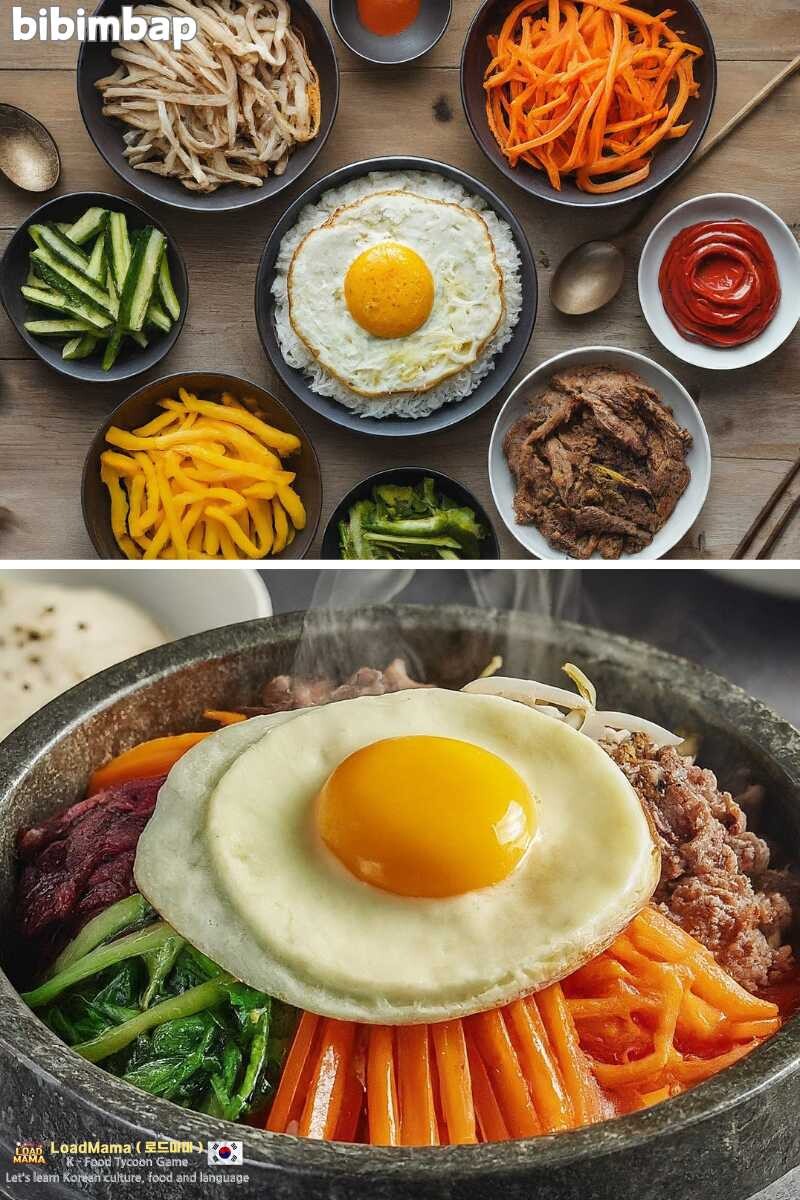
- Protein: Beef, chicken, pork, tofu, or even seafood can be used as the protein source in bibimbap.
- Vegetables: The possibilities are endless! Commonly used vegetables include spinach, carrots, bean sprouts, mushrooms, zucchini, and ferns.
- Sauce: Gochujang (chili pepper paste) is the traditional sauce for bibimbap, but you can adjust the spiciness or try other sauces like soy sauce or doenjang (fermented soybean paste).
- Egg: A fried egg is a classic topping, but you can also use a poached egg or skip it altogether for a vegan version.
- Rice: While white rice is commonly used, you can substitute it with brown rice, quinoa, or other grains for a healthier option.
🍚 Bibimbap FAQs: Your Burning Questions Answered
Go watch BTS’s group video like Bibimbap

Q: Is bibimbap spicy?
A: The level of spiciness in bibimbap depends on the amount of gochujang used. You can adjust the amount to your liking or even omit it altogether for a mild version.
Q: Can vegetarians or vegans enjoy bibimbap?
A: Absolutely! Simply replace the meat with tofu or other plant-based protein sources, and skip the egg or use a vegan egg substitute.
Q: What are some good side dishes to serve with bibimbap?
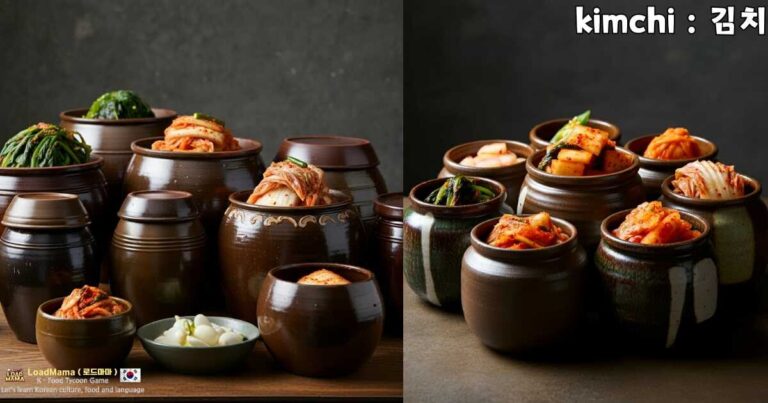
A: Bibimbap is often served with kimchi, soup, and other side dishes like seasoned spinach or stir-fried anchovies.
Q: Where can I try authentic bibimbap in Korea?
A: You can find bibimbap in almost any Korean restaurant, from casual eateries to fine dining establishments. Jeonju, a city in South Korea, is particularly famous for its bibimbap.
🍚 Bibimbap Beyond the Bowl: Fun Facts & Cultural Significance
- Bibimbap, a UNESCO-recognized culinary treasure: In 2011, bibimbap was added to UNESCO’s Intangible Cultural Heritage list, recognizing its cultural significance and contribution to Korean cuisine.
- Bibimbap for special occasions: In Korea, bibimbap is often served on special occasions like birthdays or holidays, symbolizing harmony and good fortune.
- Bibimbap in space! In 2008, Korean astronaut Yi So-yeon enjoyed bibimbap specially developed for space travel during her mission on the International Space Station.
✨ My Bibimbap Adventure: A Personal Story

I’ll never forget my first bibimbap experience. I was traveling in Jeonju, and the vibrant colors and enticing aroma of the bibimbap served at a local restaurant immediately captivated me. As I mixed the ingredients together and took my first bite, I was blown away by the explosion of flavors and textures. The chewy rice, the crisp vegetables, the savory meat, the runny egg yolk, and the spicy kick of gochujang – it was a culinary symphony in my mouth!
Since then, I’ve been a devoted bibimbap enthusiast, always eager to try new variations and create my own at home. Bibimbap is not just a meal; it’s a cultural experience that brings people together and showcases the beauty of Korean cuisine.
🌶️ Tteokbokki FAQs: Burning Questions Answered! 🌶️

✨ Wrapping Up
Today, we’ve explored the wonderful world of bibimbap, a dish that’s as visually appealing as it is delicious and nutritious. From its rich history to its modern-day adaptations, bibimbap continues to delight taste buds and nourish bodies around the globe.
So, whether you’re a seasoned foodie or a curious beginner, I encourage you to embark on your own bibimbap adventure. Try it at a Korean restaurant, make it at home, or even create your own unique variation – the possibilities are endless!
Explore healthy foods, their benefits, and their impact on diet and skin.
Want to know more about Tteokbokki? Click here!!
Tteokbokki game K-food Load Mama
🔥 Load Mama Beginner’s Guide: Your Path to Food Truck Success! 🔥
Squid Game’s Dalgona Candy: A Sweet Treat with a Deadly Twist 😱
Bulgogi: Korea’s Soul Food, Captivating the World! 🇰🇷❤️
Conquer the Culinary World: Load Mama – A Must-Play Simulation Game 🌎🎮
🔥 Budae Jjigae: Korea’s Fusion Flavor Bomb, a Spicy & Savory Sausage Stew! 😋🍲
Load Mama: Master the Art of Customer Loyalty & Unlock Powerful Magic Buffs! 🃏✨
🔥 Galbi Jjim: Korea’s Melt-in-Your-Mouth Braised Short Ribs, a Flavor Fiesta! 🎉
🇰🇷 Kongnamul Muchim: The Simple & Refreshing Korean Side Dish You’ll Crave! 🌱🥢
🍶 Soju: Korea’s Spirit of Shared Moments, a Clear and Refreshing Drink! 🎉 #SojuCheers, Anyone? 😉
🍜 Naengmyeon: Korea’s Cool Summer Delight! ❄️ A Perfect Harmony of Chewy Noodles and Icy Broth! 😋
🔥 Dakgalbi: Korea’s Spicy Stir-fried Chicken, a Flavor Fiesta for the Adventurous! 🔥🌶️
Japchae: Korea’s Festive Noodle Dish, a Colorful Dance of Vegetables & Chewy Glass Noodles! 🎉 😍
🥟 Mandu: Korea’s Comfort Food, Bursting with Flavor in Every Bite! 😋🎉
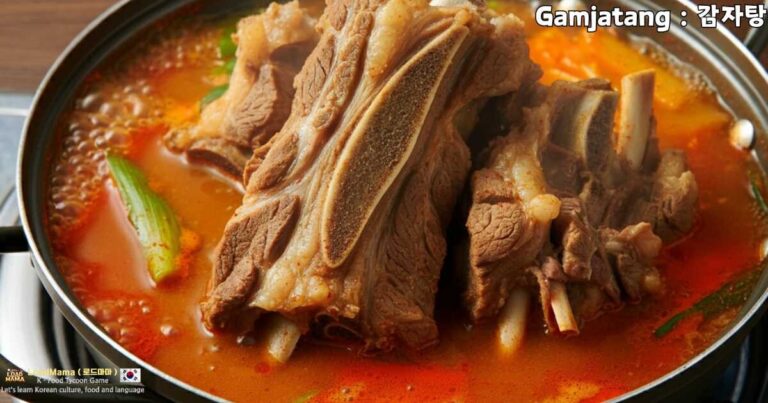
🔥 Gamjatang: Korea’s Hearty Healing Food! 🇰🇷 A Flavorful Fusion of Pork Backbones & Spicy Broth! 😋🍲
🍯 Yakgwa: Korea’s Traditional Dessert, the Ultimate Crispy-Chewy Treat! 🤩 A Bite of Sweet Bliss! 😋🍯
🔥 Soondubu Jjigae: Korea’s Spicy & Silky Tofu Stew, a Comfort Food Favorite! 😋🍲
🥩 Wagyu: The Pinnacle of Beef, a Symphony of Marbling and Melt-in-Your-Mouth Goodness! 🤤✨



 English
  日本語
日本語